The Most Efficient Kitchen Layout, Smart Design for Real Homes
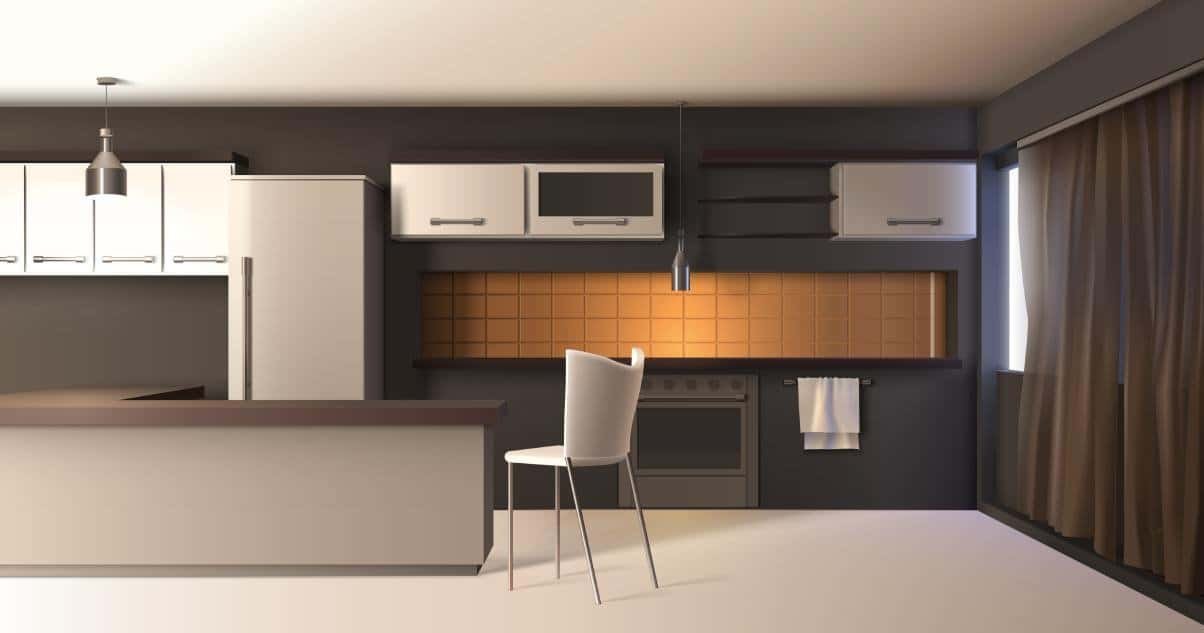
Designing the most efficient kitchen layout isn’t just about looks. It’s about creating a space that works effortlessly for your daily routine. In Birmingham homes, where style meets practicality, an efficient kitchen design helps you move smoothly between cooking, cleaning, and storage areas without wasted steps. By focusing on smart planning, proper workflow, and functional zones, you can transform even compact spaces into kitchens that feel open, balanced, and easy to use.
Why Kitchen Efficiency Matters More Than Ever
Core Principles Behind an Efficient Kitchen Layout
- Focus on three essential kitchen zones: cooking, cleaning, and storage all must work together for smooth workflow.
- Apply space optimization techniques like corner units, pull-out drawers, and vertical shelving to maximize storage.
- Use modern kitchen layout ideas such as open-plan concepts, kitchen islands, or peninsular designs for flexibility and style.
- Maintain a clear workflow connection between the sink, stove, and fridge often known as the kitchen work triangle.
- Prioritize balance between movement and accessibility to reduce fatigue and improve efficiency.
- Avoid common layout mistakes like poor lighting, tight spacing, or overloading with unnecessary fittings.
- Tailor every layout decision to your home’s size, lifestyle, and daily routine, especially in compact Birmingham kitchens.
Exploring the Most Common Kitchen Layouts
U-Shaped Kitchen Layout: Maximum Storage, Minimal Steps
A U-shaped kitchen layout offers one of the most efficient kitchen designs by surrounding the cook on three sides, creating a smooth workflow triangle between the sink, stove, and refrigerator. This design maximizes counter space and cabinetry, making it ideal for families who cook often. It’s a functional kitchen layout that minimizes walking distance while enhancing storage and accessibility perfect for both modern and traditional Birmingham homes.
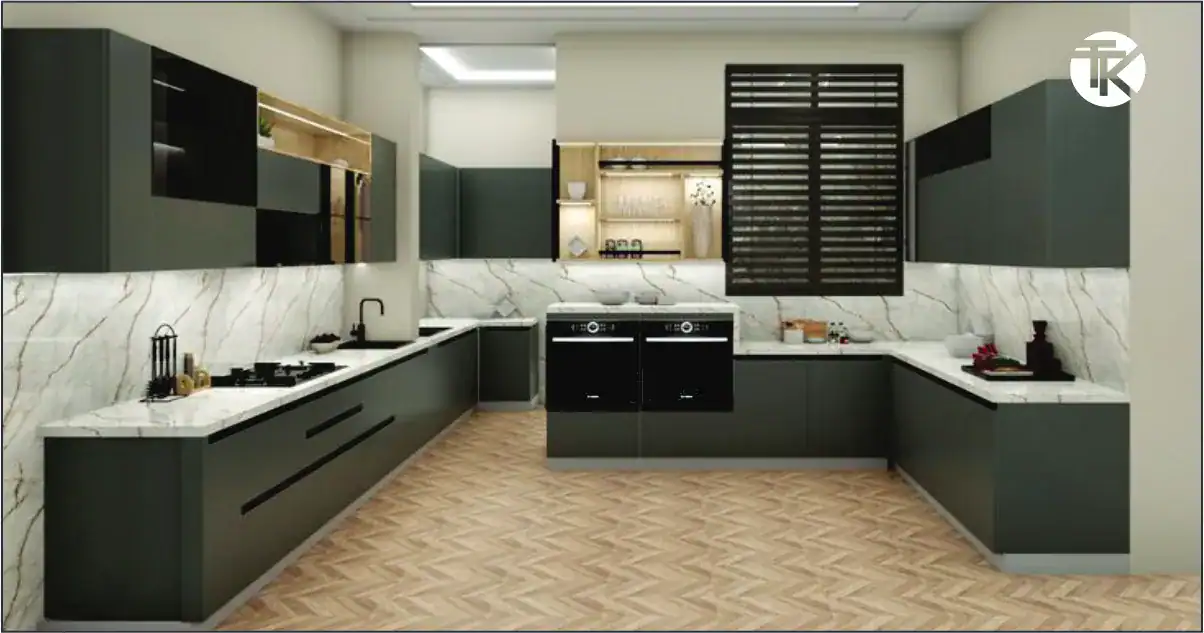
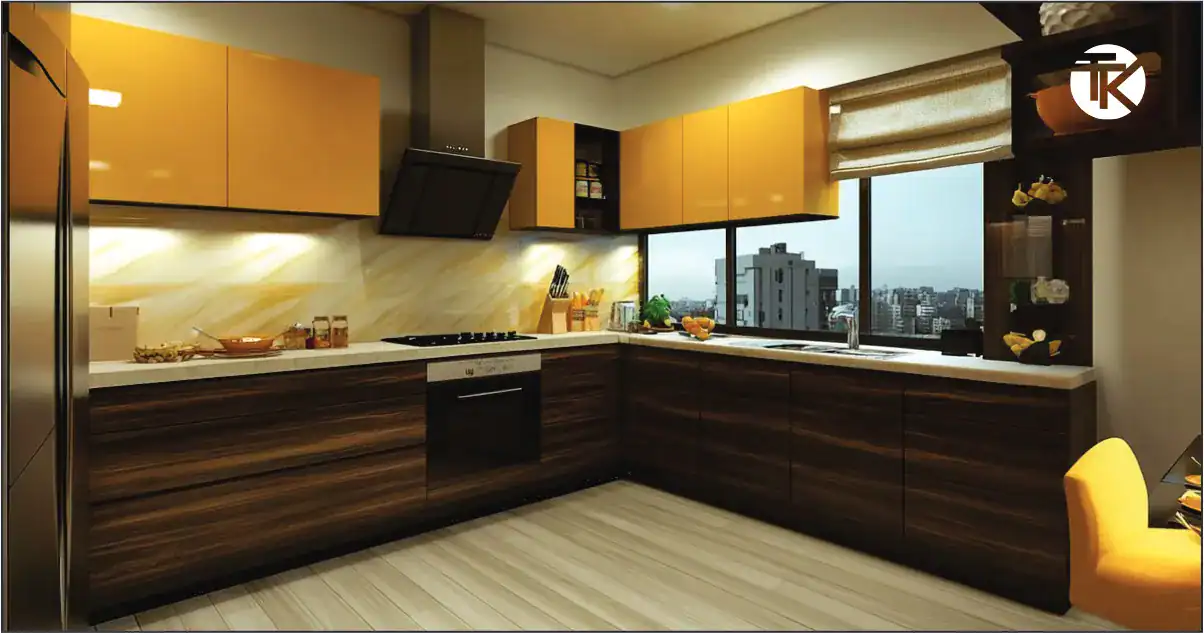
L-Shaped Kitchen Layout Open, Flexible, Social
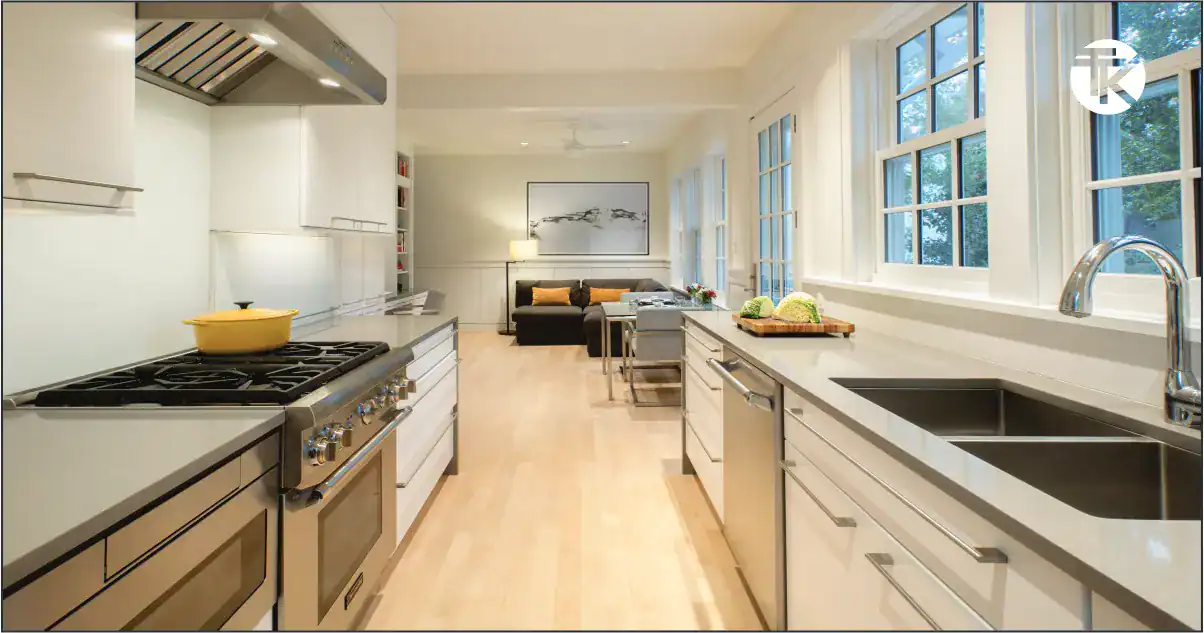
Galley Kitchen Layout Compact Yet Powerful
One-Wall Kitchen Layout Space-Saving Simplicity
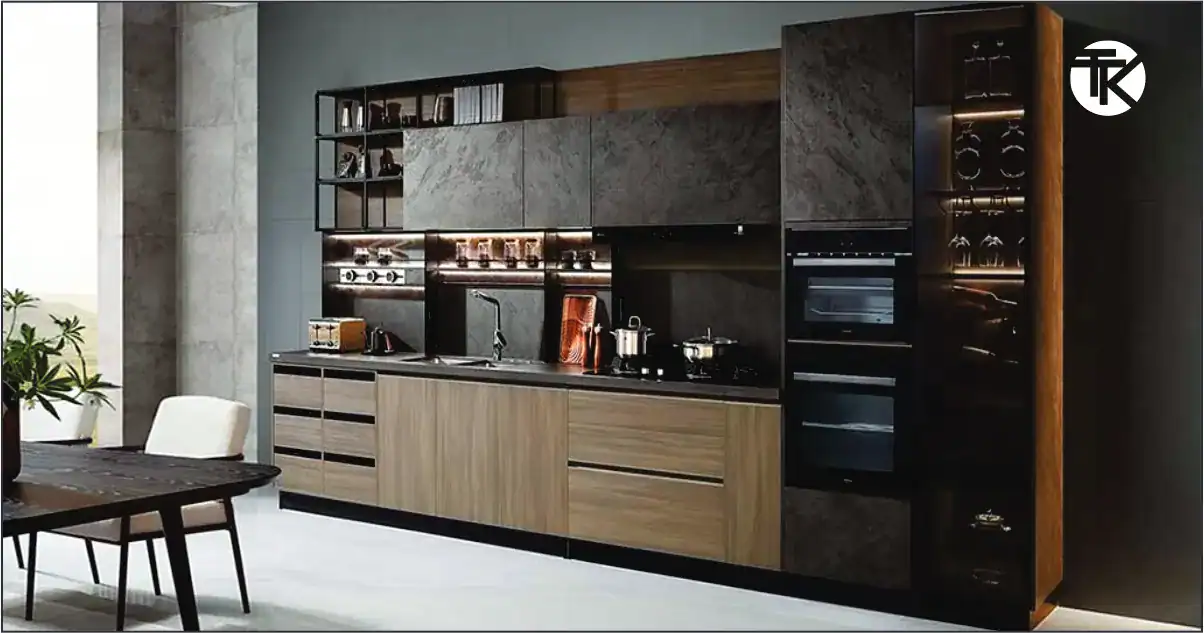
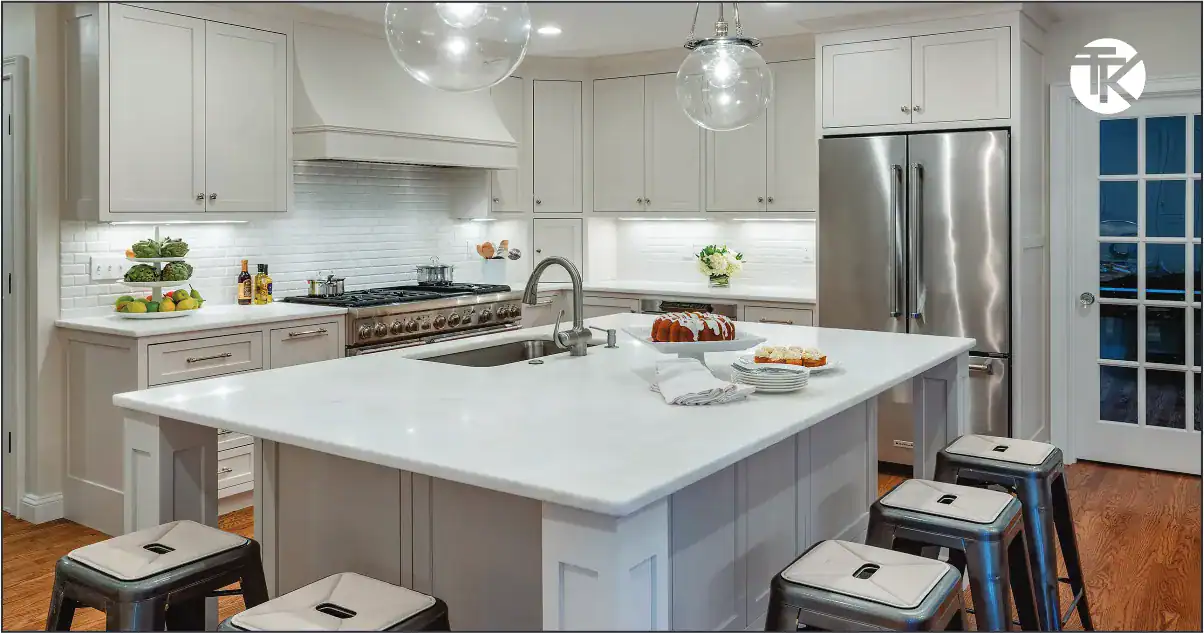
Island Kitchen Layout Where Function Meets Interaction
Kitchen Layout Comparison: Which One Fits Your Home Best?
Kitchen Layout Types and Their Benefits
| Layout | Ideal Space | Workflow Efficiency | Storage Capacity | Key Benefit |
|---|---|---|---|---|
| U-Shaped | Medium to large kitchens | ★★★★★ | Excellent | Offers seamless movement and maximized counter space |
| L-Shaped | Small to medium kitchens | ★★★★☆ | Good | Provides flexibility, open flow, and smart corner use |
| Galley | Narrow or compact rooms | ★★★★★ | Moderate | Prioritizes space-saving and efficient cooking workflow |
| One-Wall | Studio or loft-style homes | ★★★☆☆ | Basic | Delivers simplicity and a clean, modern aesthetic |
| Island | Large or open-plan spaces | ★★★★☆ | High | Combines prep, storage, and social interaction zones |
Each of these kitchen layouts serves a distinct purpose — from the compact galley layout that maximizes space, to the U-shaped kitchen designed for high functionality. The key is aligning your layout with your home’s workflow needs, available floor space, and lifestyle preferences to create a kitchen that’s both efficient and enjoyable to use.
How to Design a Kitchen Layout Step-by-Step
- Measure and map your kitchen space accurately — include floor area, door swings, window placements, and fixed utilities to ensure precise planning.
- Set workflow priorities — define key zones for cooking, cleaning, and storage to create a balanced, ergonomic kitchen design layout.
- Maintain clear movement paths — follow the 4-foot spacing rule between cabinets, appliances, or islands for smooth traffic flow.
Use a digital kitchen layout planner — visualize multiple kitchen designs layouts and refine appliance placement, lighting, and cabinetry before installation.
Practical Tips & Common Mistakes to Avoid
- Wasted corners → lost storage & clutter. Result: crowded counters and slow prep. Fix: smart corner units or pull-outs.
- Misplaced appliances → broken workflow. Result: extra steps, more cooking time, higher energy use. Fix: move fridge/stove/sink into an efficient triangle.
- Too many decorative → choices over function. Result: pretty but unusable spaces. Fix: prioritize usable counters and storage first.
- Poor lighting & ventilation → harder to cook and clean. Result: fatigue, lingering smells, faster wear. Fix: add task lighting and proper extractors.
Cut-rate DIY or no plan → expensive reworks. Result: delays, higher costs, wasted materials. Fix: use a layout planner or consult a pro early.
Deciding point: if these problems sound familiar in your Birmingham home, a short design review can show exact fixes and realistic costs. so you buy only what truly improves your kitchen.